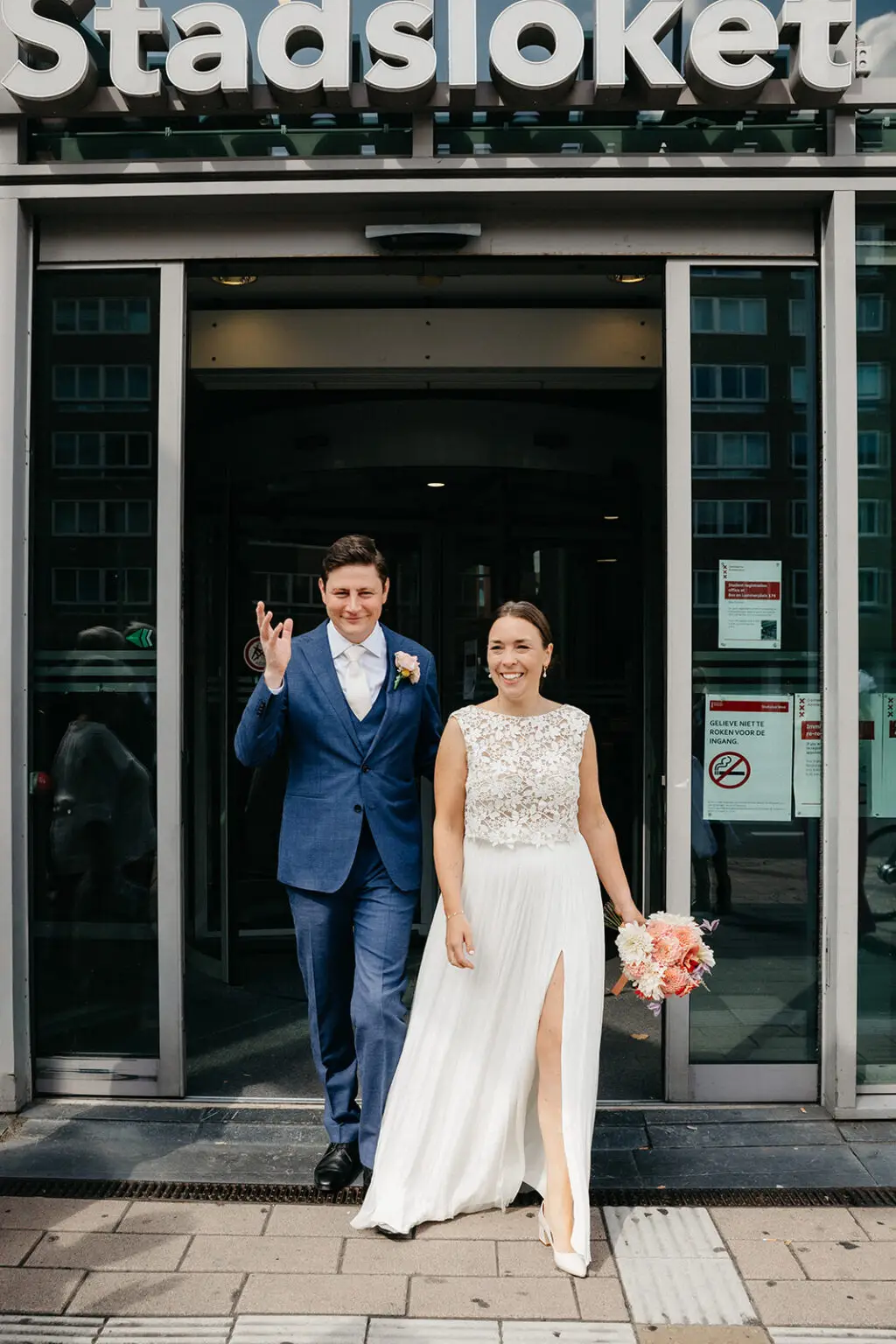
Getting legally married in Amsterdam as a foreigner sounds simple and romantic. Many couples imagine arriving in the city, choosing a beautiful location like Westerkerk, and completing everything within a few days. In reality, the process is more structured and requires preparation.
Dutch marriage law for foreigners is clear but strict. Before you can book a ceremony, the municipality must verify your eligibility, documents, and residency status. As a result, many international couples face delays or discover limitations they did not expect.
Once you understand how the system works, it becomes much easier to navigate. The key is knowing what is legally required and when it makes sense to separate the legal process from the actual wedding experience in Amsterdam.
How to Legally Get Married in Amsterdam as a Foreigner
1. Can Foreigners Marry in Amsterdam
Foreigners can legally marry in Amsterdam, but only under specific legal conditions. Most importantly, at least one partner must officially register in the Netherlands. This is not just a formality. Instead, it is a legal condition that determines whether the municipality can process your marriage at all.
Being registered means you appear in the Dutch BRP system (Basisregistratie Personen). In practice, this requires a real residential address, a BSN number, and legal permission to stay in the country. However, tourists or short-term visitors cannot meet this requirement, which is why a civil wedding in Amsterdam is not possible for most destination couples.
For many international couples, this is the point where expectations change. Often, couples realise that a legal ceremony in Amsterdam is not as straightforward as simply traveling to the city. Therefore, understanding this early helps you avoid delays and consider alternative options that better fit your situation.
Key requirements
One partner registered in the Dutch BRP system
Valid legal stay (EU citizen or residence permit)
Both partners at least 18 years old
Not already married
Good to know
Registration must be active at time of application
There is no minimum stay, but you must legally reside
Expats and residents usually qualify
This is the main limitation for foreign couples
Quick summary
Yes, foreigners can marry
Residency is required
Tourists cannot marry legally in Amsterdam
How to Legally Get Married in Amsterdam as a Foreigner
2. Documents Needed to Marry in the Netherlands
Preparing your documents is often the most time-consuming and underestimated part of getting legally married in Amsterdam as a foreigner. The municipality requires official documents that prove your identity, marital status, and legal eligibility to marry.
For international couples, this step becomes more complex because they often request documents from different countries, translate them, and legalize them. Even small inconsistencies in names or dates can delay approval, which is why starting early is essential.
Another important detail is that some documents have validity periods. Therefore, if you prepare them too early, the municipality may no longer accept them when you submit your application. Balancing timing and accuracy is key to avoiding unnecessary repetition of the process.
If you are researching the documents needed to marry in the Netherlands, it is important to start early and ensure every document meets the official municipal requirements.
Required documents
Valid passports for both partners
Birth certificates (recent official versions)
Proof of marital status
Certificate of no impediment Netherlands (if required)
Proof of residence
Typical preparation timeline
Document requests: 2 to 6 weeks
Apostille marriage Netherlands process: 1 to 3 weeks
Translation and verification: 1 to 2 weeks
Good to know
Requirements vary by nationality
Some countries require additional legalization
Documents must match exactly
Delays are very common
Quick summary
Start early
Expect multiple steps
International paperwork takes time
How to Legally Get Married in Amsterdam as a Foreigner
3. How to Register a Marriage in Amsterdam
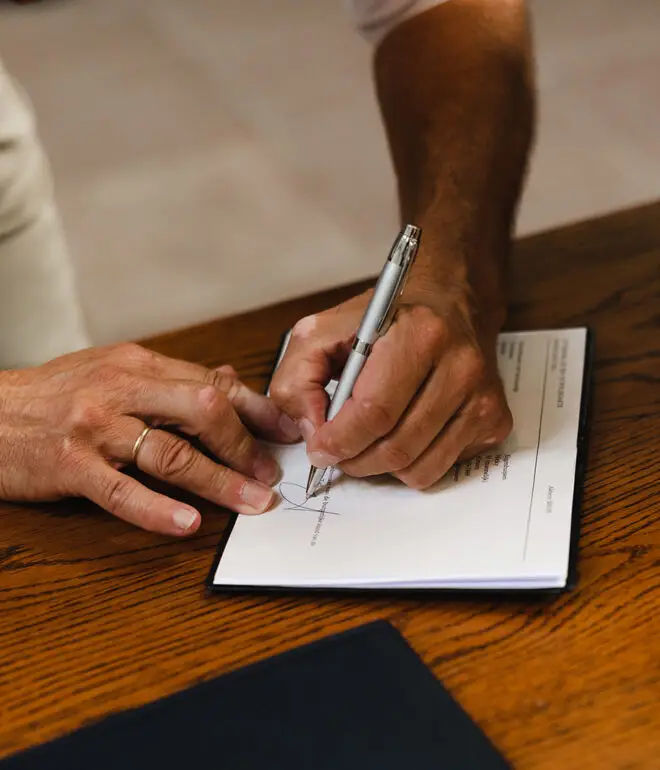
Registering your marriage is the official step that makes your wedding legally possible. This is handled by the municipality and is required before you can select a date or venue. It is often referred to as the official wedding Amsterdam process.
During this step, the municipality checks your documents and confirms your eligibility. Only after approval can you move forward with booking your ceremony.
For many couples, this stage is where the process becomes more real and sometimes more complex. Most delays happen here, especially if documents are incomplete or do not fully meet Dutch requirements. Therefore, being well-prepared at this stage can significantly reduce stress later in your planning.
Step-by-step process
Check requirements on municipality website
Prepare and legalise documents
Submit “melding voorgenomen huwelijk”
Wait for approval
Choose ceremony date and venue
Pay municipal fees
Arrange 2 to 4 witnesses
Register witness IDs with Civil Affairs before the ceremony
Witnesses must be at least 18 years old and provide a valid passport or ID copy before the ceremony. They do not need to be Dutch citizens or residents of the Netherlands. Some municipalities may help arrange witnesses if needed, but this should always be confirmed in advance with Civil Affairs.
Typical timing
Review process: 2 to 6 weeks
Booking availability: depends on season
Good to know
You cannot book before approval
Summer dates fill quickly
Late applications limit options
Changes may delay the process
Quick summary
Registration is required
Approval comes first
Booking comes after
How to Legally Get Married in Amsterdam as a Foreigner
4. Marriage Timeline in the Netherlands
Planning a legal marriage in Amsterdam requires realistic expectations when it comes to timing. Many international couples assume the process can be completed within a few weeks. In reality, it usually takes several months from start to finish. Additionally, the timeline depends not only on the municipality but also on how quickly you can gather documents from your home country.
One of the most common challenges is that different countries have different processing speeds. Some countries issue certificates within days, while others take several weeks. In addition, documents often need legalization or apostille certification, which adds another layer of waiting time that couples do not initially expect.
Typical timeline
Document preparation: 4 to 8 weeks
Municipality approval: 2 to 6 weeks
Ceremony scheduling: 2 to 8 weeks
Seasonal impact
Spring and summer: high demand, longer waiting times
Autumn and winter: more flexibility and availability
Popular dates: booked months in advance
Good to know
Total timeline is typically 3 to 6 months
International paperwork often causes delays
Some documents expire if issued too early
Last-minute planning is rarely realistic
Quick summary
Plan 3 to 6 months ahead
Start documents early
Timing affects availability
How to Legally Get Married in Amsterdam as a Foreigner
5. Cost of Marriage in Amsterdam for Foreign Couples
The cost of legal marriage in Amsterdam depends on the type of ceremony, timing, and location. While the legal process itself is relatively straightforward, prices vary significantly depending on how much flexibility and personalization you want.
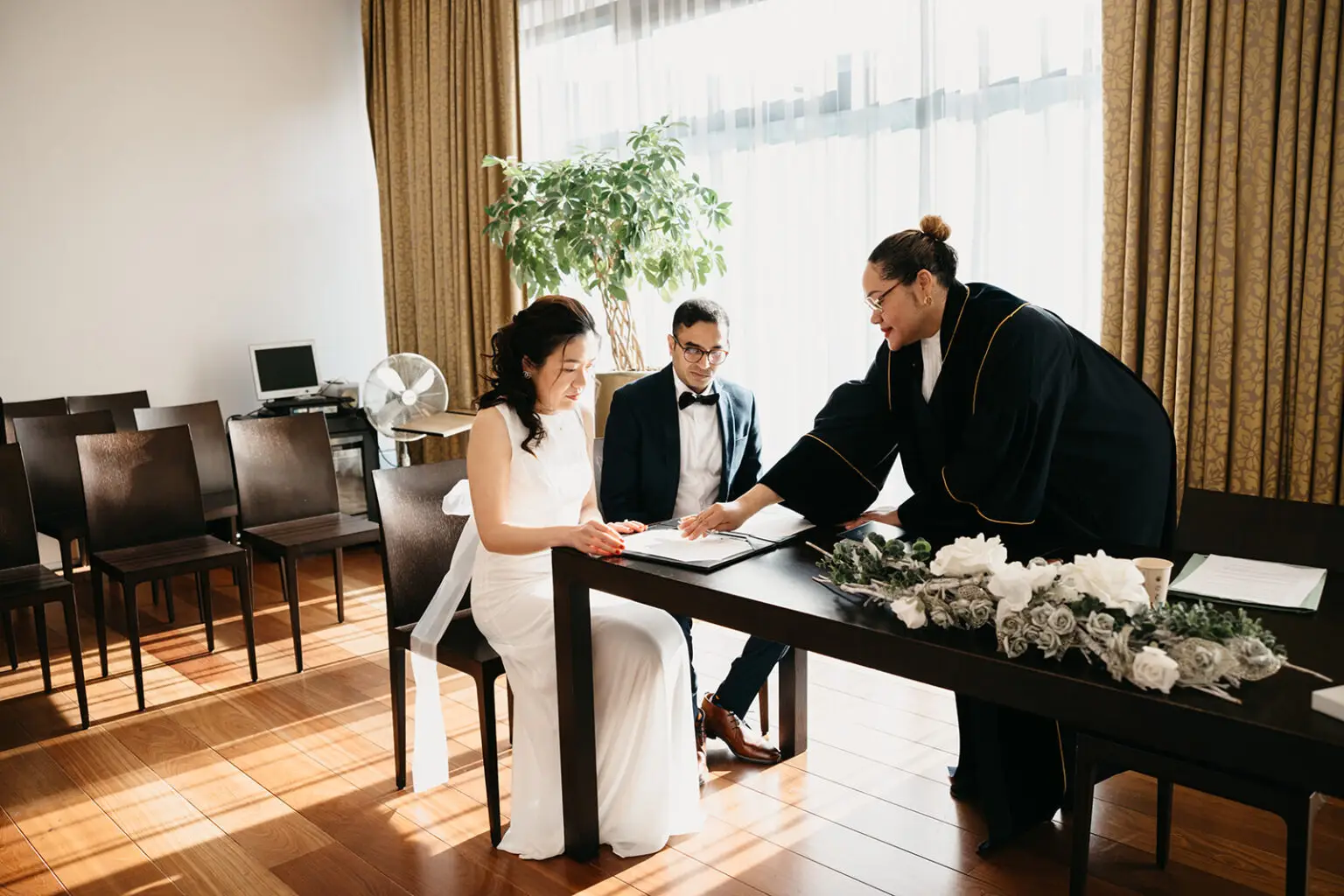
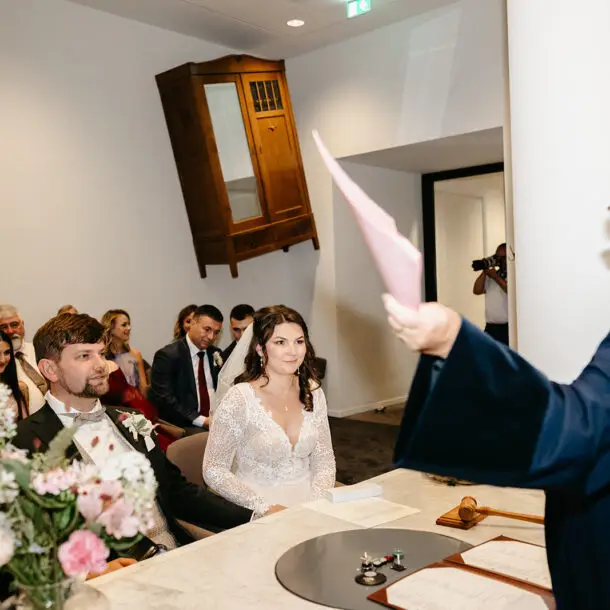
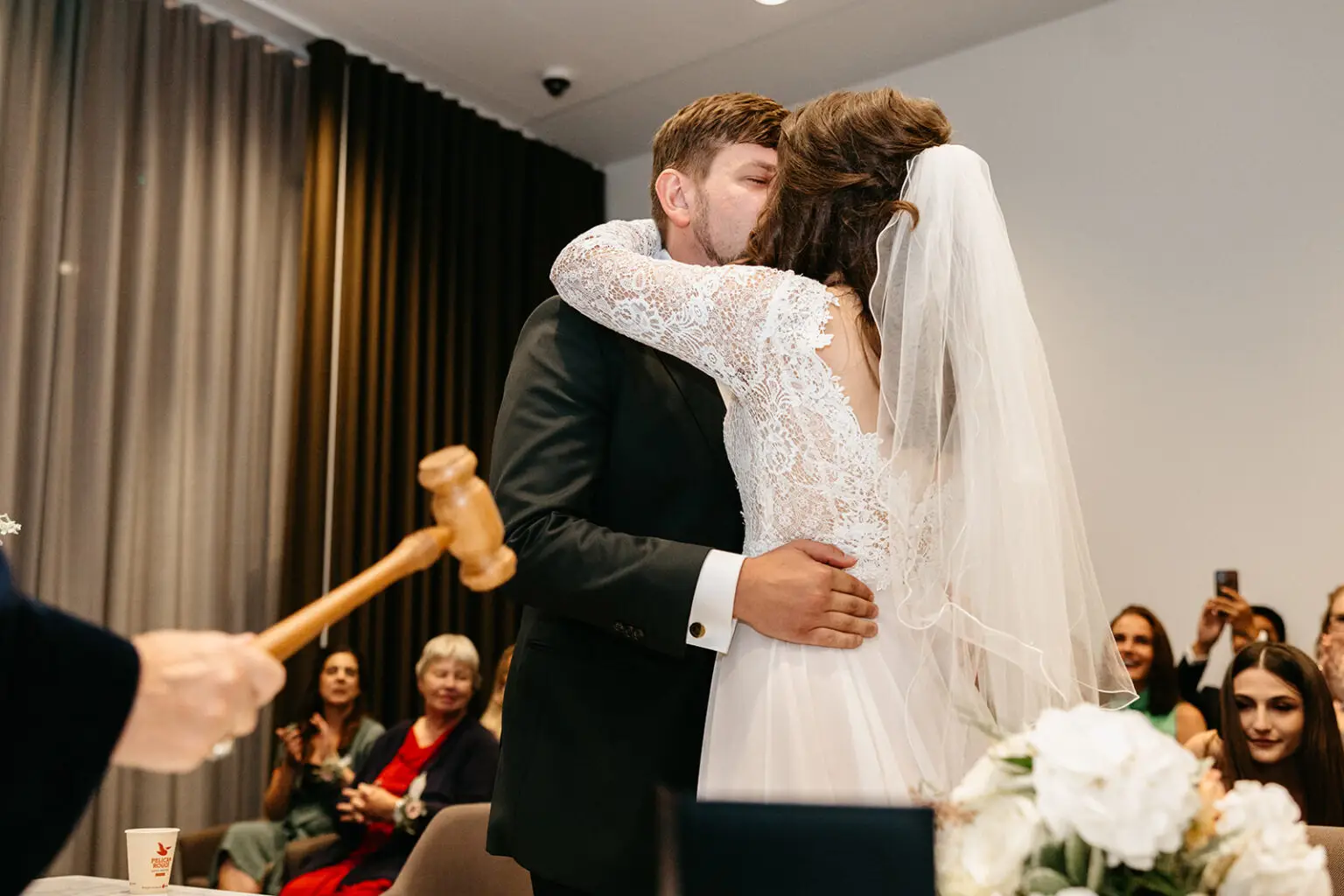
A common misconception is that the legal ceremony will feel like a full wedding experience. In reality, it is often a short administrative moment focused on legal confirmation. Without additional customization, the ceremony can feel formal and brief. Because of this, many couples expand the ceremony or complement it with a symbolic celebration.
Without additional customization, the ceremony can feel formal and brief. Because of this, many couples expand the ceremony or complement it with a symbolic celebration.
Typical price ranges
Free ceremony: €0 (limited weekday availability, short and administrative)
Budget ceremony: around €200
Standard weekday ceremony: €850 to €950
Evening or weekend ceremony: €1,100 to €1,200+
Ceremony duration
Free or budget ceremony: up to 10 minutes
Standard ceremony: 20 to 45 minutes
Legal part itself: around 10 minutes
What influences the cost
Day of the week (weekday vs weekend)
Time of day (daytime vs evening)
City hall vs external venue
Level of personalization
Optional upgrade
Appointing your own wedding officiant (BABS):
– Municipality fee: around €300 – Officiant fee: varies (€300 to €800+)
This allows a longer and more personal ceremony with storytelling and custom vows. As a result, the experience feels more meaningful and less administrative.
Good to know
Standard civil ceremonies are structured and brief
Emotional experience is limited without customization
External venues may add separate costs
Many couples enhance the ceremony or plan a symbolic one
Quick summary
€0 to €1,200+ depending on format
10 to 45 minutes duration
Personalization requires additional cost
How to Legally Get Married in Amsterdam as a Foreigner
6. Where You Can Get Married in Amsterdam
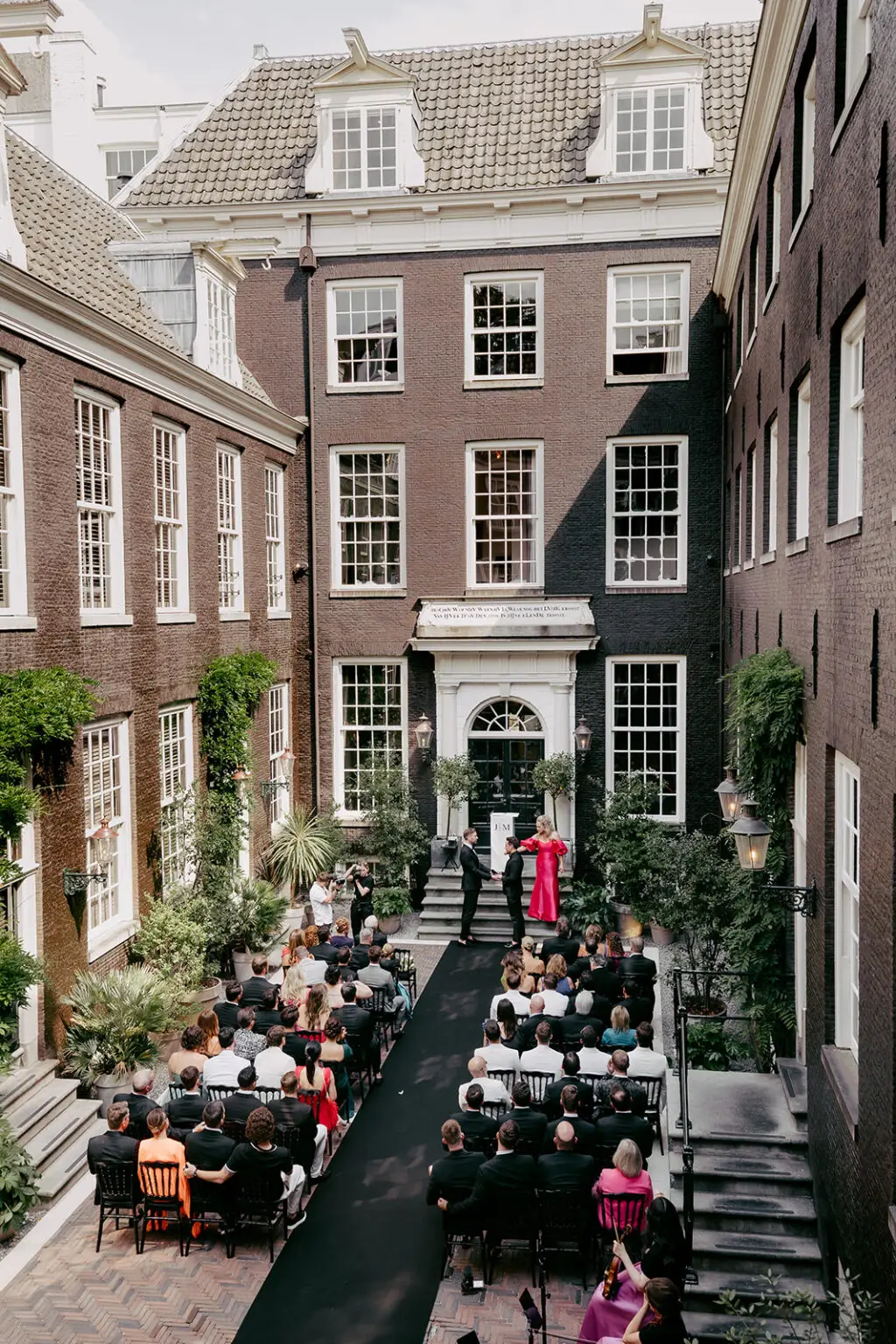
Legal ceremonies in Amsterdam must take place at officially approved wedding venues. These include municipal wedding rooms as well as a wide selection of registered locations across the city, from historic canal houses to luxury hotels and cultural venues.
The most common legal location is the Stopera (Amsterdam City Hall), which offers a formal and efficient setting. However, many couples prefer more atmospheric venues that reflect the character of the city. Examples include Westerkerk (often used symbolically or with special arrangements), Felix Meritis, and Sofitel Legend The Grand Amsterdam.
Some couples prefer the simplicity and efficiency of city hall. Meanwhile, others value atmosphere and invest more in a unique setting. It is also important to consider availability, as popular venues can be booked months in advance.
Possible options
City hall wedding rooms
Official wedding venues
Private venues with approval
Symbolic ceremony locations.
Good to know
Amsterdam has over 200 registered wedding venues
Only approved locations can host legal ceremonies
Popular venues book months in advance
Many scenic locations are used for symbolic ceremonies
Quick summary
Legal = approved venue
City hall = simplest option
Symbolic = more flexibility
How to Legally Get Married in Amsterdam as a Foreigner
7. Legal vs Symbolic Wedding in Amsterdam
Understanding the difference between legal and symbolic ceremonies is essential when planning your wedding in Amsterdam. These two formats serve very different purposes, and combining them is often the most effective approach for international couples.
A legal ceremony is required for official recognition and follows a structured format set by the municipality. It is typically brief and focused on confirming the marriage legally. On the other hand, a symbolic ceremony allows you to create a personal and meaningful experience without legal restrictions, often in a location and style that reflects your relationship.
For many couples, this distinction becomes clearer once they realise that the legal ceremony rarely matches the emotional expectations of a wedding day. Because of this, separating the two parts often leads to a more relaxed, personal, and memorable experience.
Legal ceremony
Official and administrative
Performed by registrar
Short and structured
Required for legal status
Symbolic ceremony
Fully personalized
Flexible location and timing
Emotional and creative
Not legally binding
Good to know
Legal ceremonies are often brief and formal
Symbolic ceremonies allow full creative freedom
Combining both is very common for international couples
This approach gives more control over the experience
Quick summary
Legal = official
Symbolic = experience
Combining both gives the best result
How to Legally Get Married in Amsterdam as a Foreigner
8. Can You Marry on a Canal Boat in Amsterdam
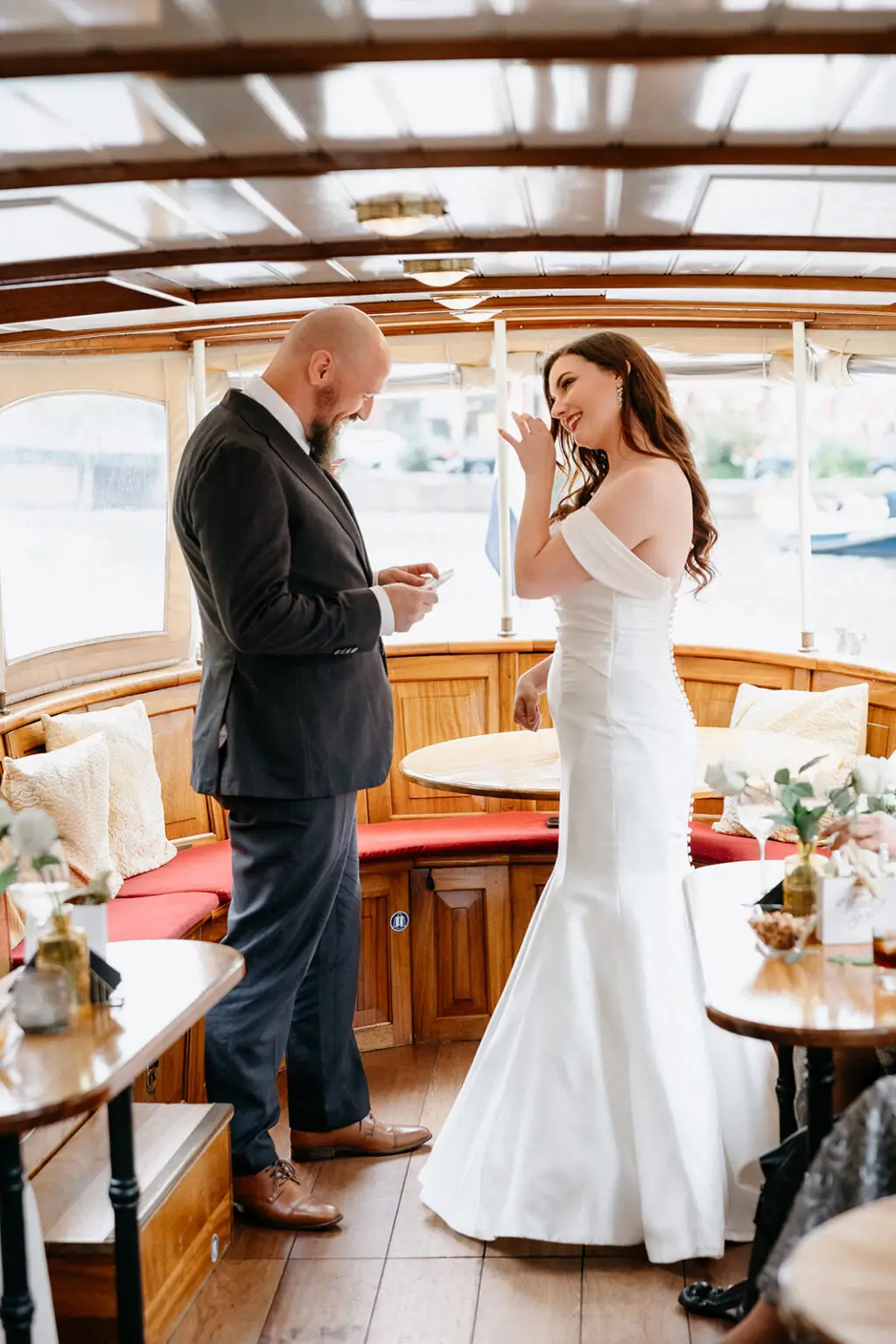
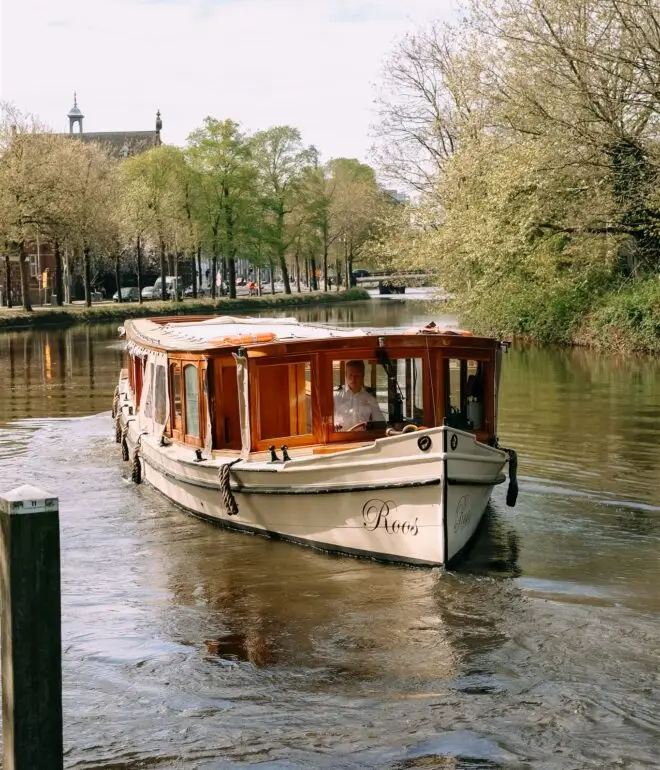
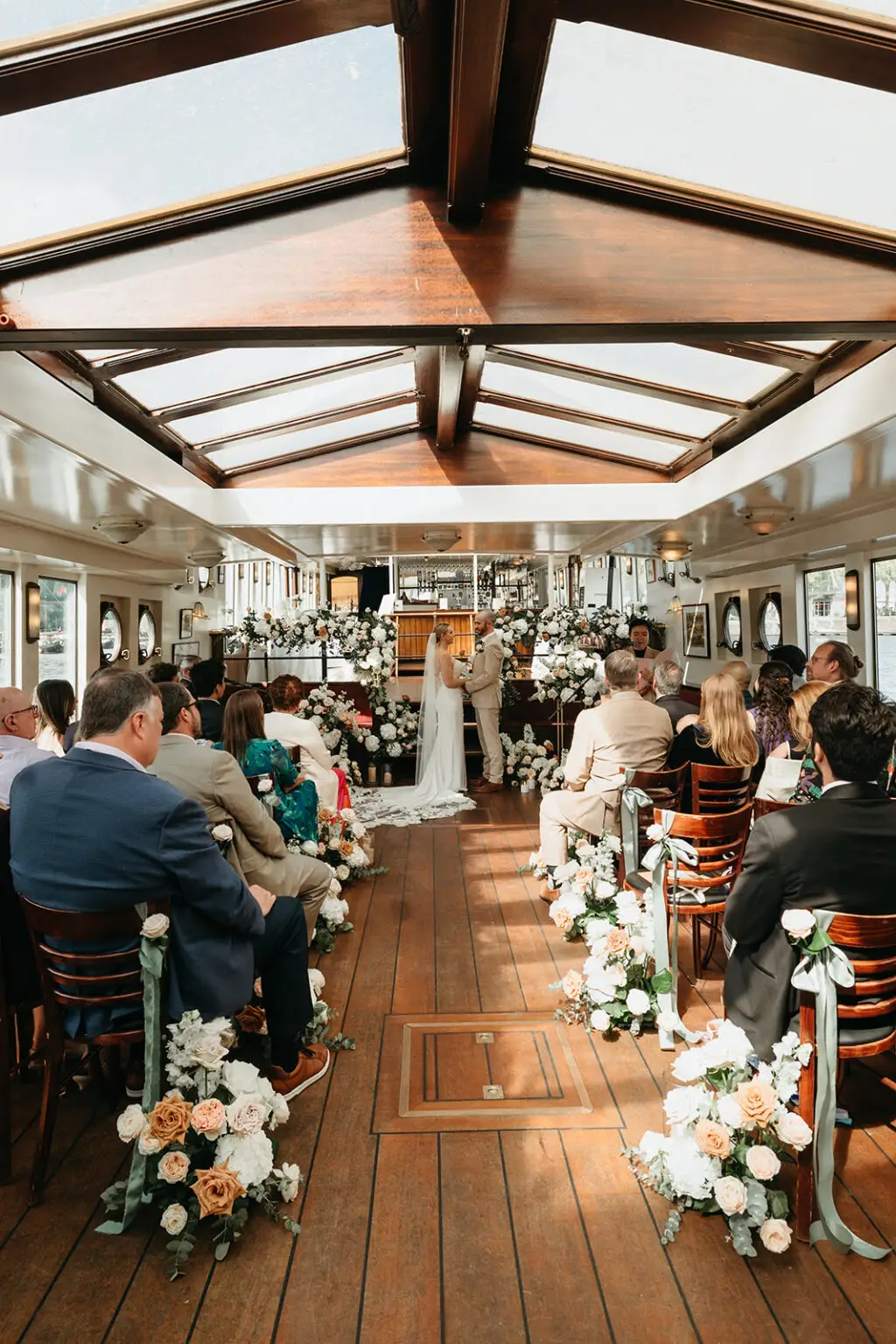
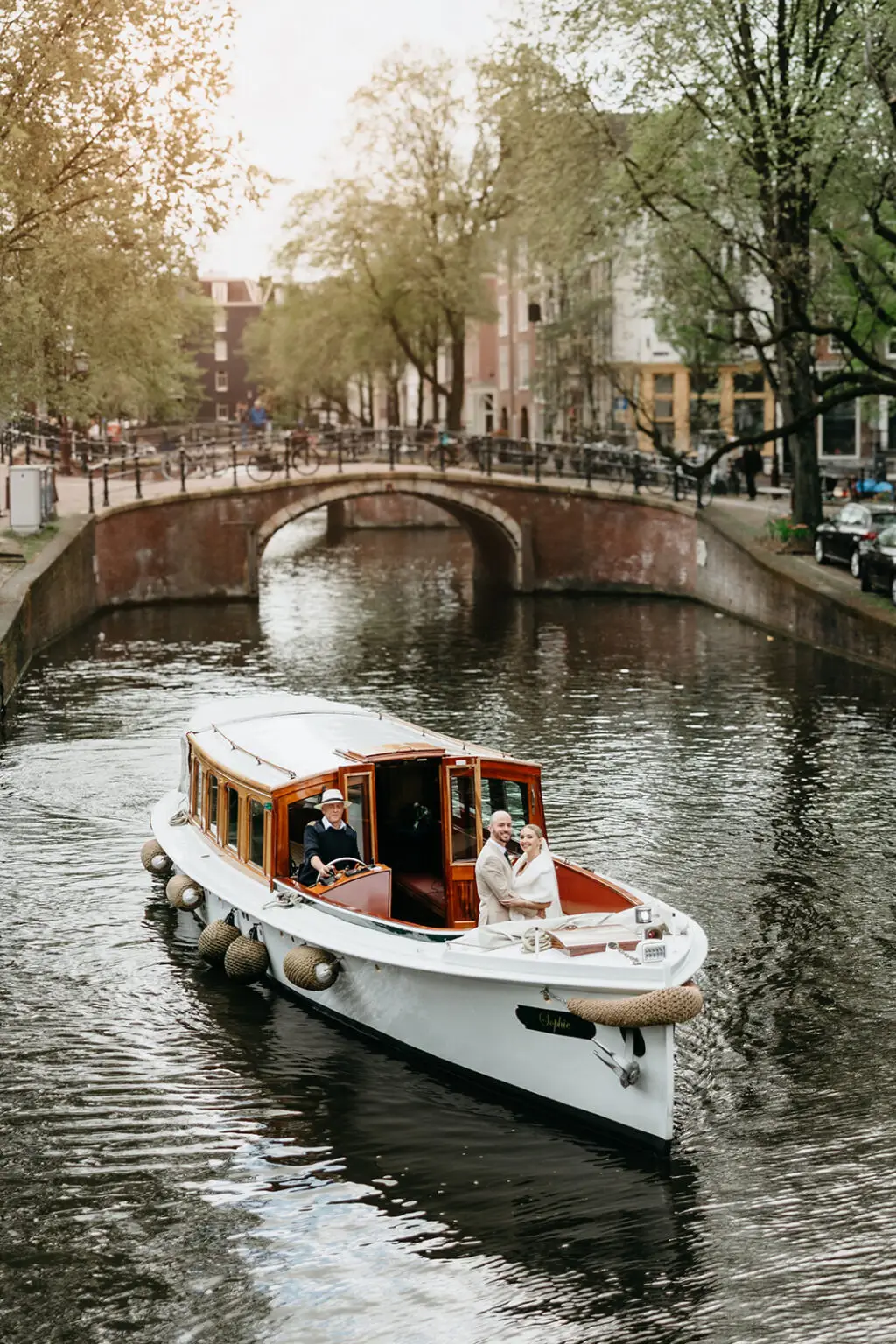
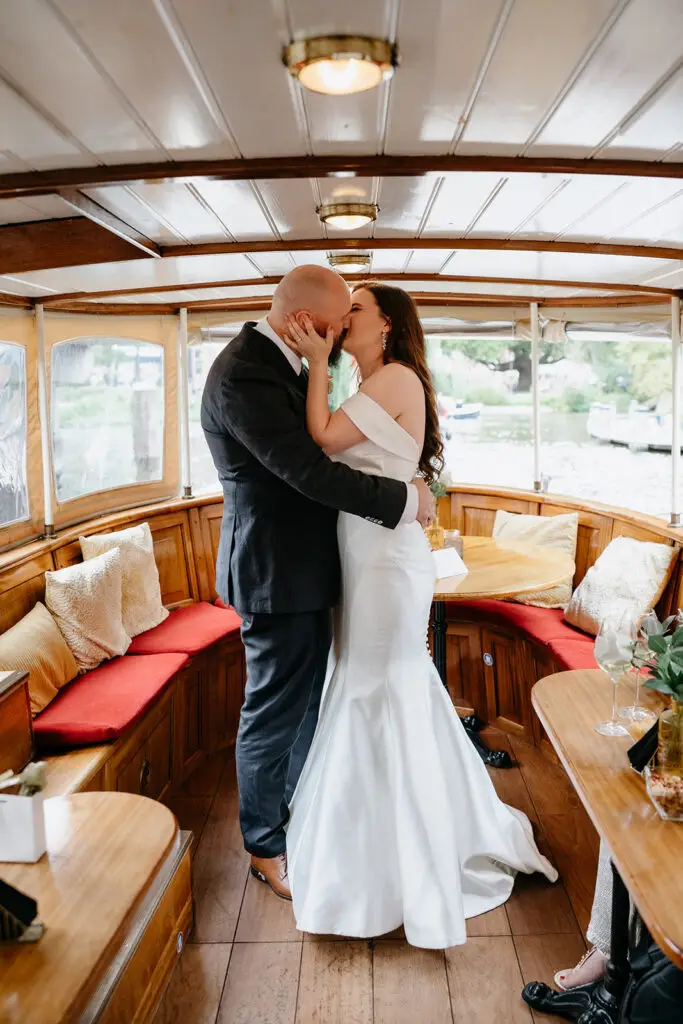
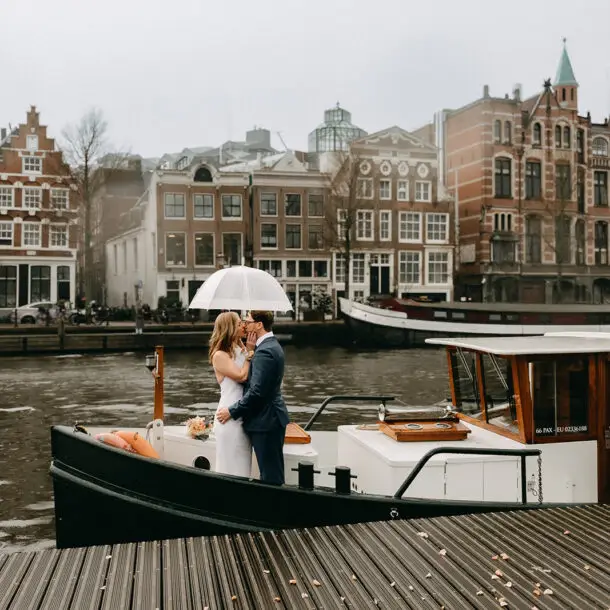
Canal boats are one of the most iconic ways to get married in Amsterdam, offering a unique and intimate setting surrounded by historic canals and architecture. For many couples, this is one of the most memorable ways to experience the city.
In certain cases, couples can also have a legal ceremony on a canal boat. However, only specific boats are officially registered as wedding venues. These boats must meet strict municipal requirements, and couples must arrange the ceremony in advance with Civil Affairs, including the presence of a registrar.
Because the number of approved boats is limited, availability can become restricted, especially during peak wedding season. Therefore, early planning is essential if you want a legal ceremony on the water.
Boat wedding options
Officially registered canal boats for legal ceremonies
Private boats for symbolic ceremonies
Luxury boats for extended celebrations
Static or cruising ceremony formats
Good to know
Only approved boats can host legal ceremonies
Legal ceremonies follow strict timing and structure
Weather can impact planning
Symbolic ceremonies offer more flexibility
Quick summary
Legal boat weddings are possible
Limited availability
Symbolic offers more freedom
How to Legally Get Married in Amsterdam as a Foreigner
9. The Alternative Approach Most International Couples Choose
After understanding the legal process, most international couples choose an alternative approach. The residency requirement and administrative timeline often make a legal wedding in Amsterdam impractical for destination couples.
Instead, couples separate the legal and emotional parts of their wedding. They complete the legal marriage in their home country and then come to Amsterdam for a symbolic ceremony or elopement. Explore our Amsterdam elopement packages to find the right experience for you.
As a result, this approach allows more freedom in choosing location, timing, and style, without being limited by legal requirements.
Common approach
Legal marriage at home
Travel to Amsterdam
Plan symbolic ceremony
Focus on experience
Good to know
Avoids legal delays
Allows creative freedom
More relaxed planning
Most popular option
Quick summary
Legal at home
Celebrate in Amsterdam
More freedom
How to Legally Get Married in Amsterdam as a Foreigner
10. When a Legal Wedding in Amsterdam Still Makes Sense
A legal wedding in Amsterdam can still be the right choice in certain situations, even though many international couples choose alternative approaches. The key factor is whether one partner already lives in the Netherlands and is registered with a municipality.
When this requirement is met, the process becomes significantly easier, and you can take full advantage of the Dutch system without the typical restrictions. This can be especially relevant for expats or couples planning to stay in the Netherlands long-term.
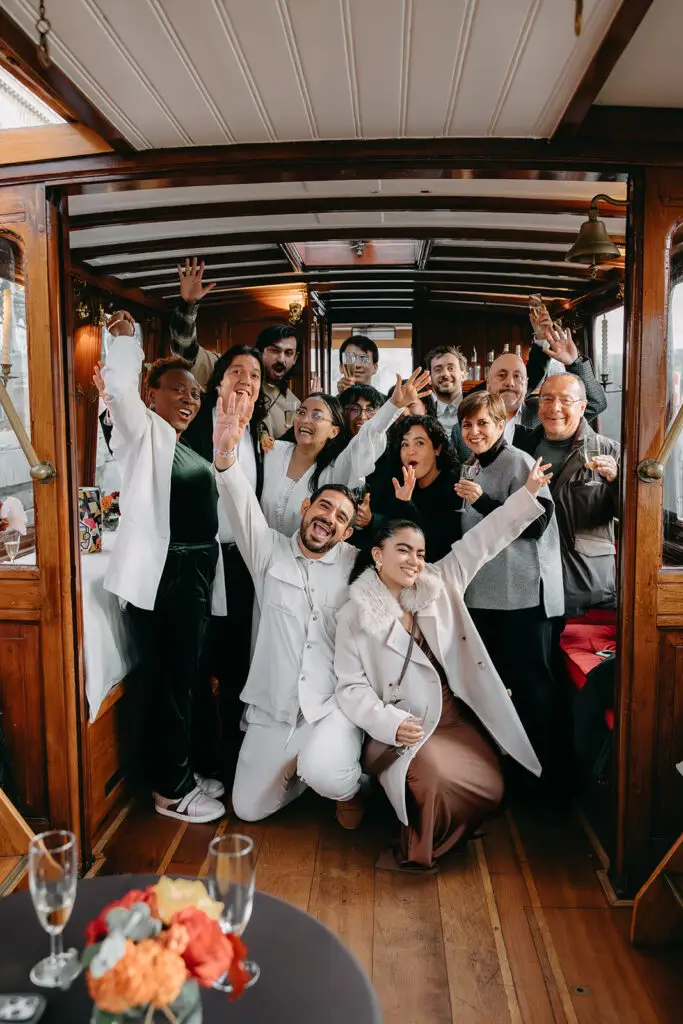
Additionally, it can also be the right decision if you are planning a long-term move or want your marriage officially registered in the Netherlands for legal or administrative reasons. You can also see a real example of a destination wedding in Amsterdam on the canals with more than 30 guests.
When it makes sense
One partner is registered in the Netherlands
You are living or working in the country
You are relocating
You want Dutch legal registration
Good to know
Residency simplifies the process
You still need proper planning
Many couples add a symbolic ceremony
Availability depends on timing
Quick summary
Best for residents
Not ideal for tourists
Often combined
How to Legally Get Married in Amsterdam as a Foreigner
Final Thoughts on Getting Married in Amsterdam as a Foreigner
Planning how to legally get married in Amsterdam as a foreigner requires preparation, clarity, and realistic expectations. The system is reliable and well-organized, but it is not designed for quick or purely destination-style weddings without prior planning.
The most important step is understanding your situation early. If residency requirements apply to you, the legal route can work well with proper timing. If not, choosing an alternative approach allows you to focus on the experience without unnecessary stress or delays.
For many couples, the decision becomes simple once they understand the difference between legal requirements and the actual wedding experience they want. Amsterdam offers incredible possibilities, whether you choose a legal ceremony or a symbolic celebration. Our wedding planner in Amsterdam can guide you through every step.
In the end, the best choice is the one that gives you both clarity and freedom, allowing you to enjoy the city and your wedding day in a way that feels natural and meaningful.
FAQ
Can tourists legally get married in Amsterdam?
Most tourists cannot legally get married in Amsterdam because Dutch law requires at least one partner to be officially registered in the Netherlands. This means having a legal residential address, a BSN number, and valid residency status. As a result, many destination couples choose to complete the legal marriage in their home country first and then plan a symbolic ceremony or elopement in Amsterdam.
What does residency requirement actually mean in the Netherlands?
The residency requirement means one partner must appear in the Dutch BRP registration system. In practice, this usually applies to expats, residents, EU citizens living in the Netherlands, or people with a valid Dutch residence permit. Simply staying in Amsterdam temporarily as a tourist or hotel guest is not enough for a legal civil marriage.
Can we legally marry in Amsterdam if neither of us lives there?
In most situations, no. Amsterdam municipalities usually cannot process a legal marriage if neither partner officially lives in the Netherlands. This surprises many international couples because Amsterdam is such a popular wedding destination. Therefore, most couples legally marry at home first and use Amsterdam for the emotional and visual part of the celebration instead.
What documents do foreigners need to get married in Amsterdam?
Most international couples need valid passports, birth certificates, proof of marital status, and proof of residency. Depending on nationality, some couples also need a certificate of no impediment. In addition, many documents must be translated and legalized with an apostille stamp. Because paperwork often takes longer than expected, couples usually start collecting documents several months before the wedding.
How long does it take to legally get married in Amsterdam?
For most foreign couples, the full process takes around 3 to 6 months. Gathering documents alone can take several weeks, especially when multiple countries are involved. The municipality also needs time to review the paperwork before approving the ceremony. During spring and summer, wedding dates and venues often book out earlier, which can extend the planning timeline even more.
How much does a legal wedding in Amsterdam cost?
The cost depends on the ceremony type, venue, and timing. Standard weekday civil ceremonies in Amsterdam usually range from €850 to €950, while personalized evening or weekend ceremonies at exclusive venues typically range from €1,100 to €1,200 or more. Additional costs may include document translations, venue rental, and hiring a personal wedding officiant to create a longer and more emotional ceremony experience.
Do we need witnesses for a legal wedding in the Netherlands?
Dutch law requires a minimum of 2 and a maximum of 4 witnesses for a legal wedding ceremony. Witnesses must be at least 18 years old and provide a valid passport or ID copy before the ceremony date. They do not need to be Dutch citizens or live in the Netherlands, which makes the process easier for international couples traveling with family or friends.
How long is the actual wedding ceremony in Amsterdam?
Most legal wedding ceremonies in Amsterdam last between 20 and 45 minutes. However, the official legal portion itself is often only around 10 minutes long. Couples who want a more emotional or personalized experience often add custom vows, storytelling, music, or even a separate symbolic ceremony afterward to create a more complete wedding atmosphere.
Can foreigners legally get married on a canal boat in Amsterdam?
Yes, but only on canal boats officially approved as wedding venues by the municipality. The civil registrar comes onboard to perform the legal ceremony, and couples must arrange everything in advance with Civil Affairs. Because the number of approved boats is limited, availability can become difficult during peak wedding season, especially between May and September.
What is the difference between a legal and symbolic wedding in Amsterdam?
A legal wedding is officially recognized by Dutch law and follows strict municipal procedures. A symbolic wedding has no legal status but offers much more flexibility in timing, location, vows, and overall atmosphere. Many international couples choose a symbolic ceremony in Amsterdam because it removes residency complications while allowing a more personal and creative wedding experience.
What do most international couples actually do?
Most international couples legally marry in their home country first. Afterward, they travel to Amsterdam for a symbolic ceremony, canal boat celebration, wedding dinner, or private vow exchange. This approach avoids legal complications and allows couples to focus more on the experience itself instead of paperwork, timelines, and municipal restrictions.
Is Amsterdam a good destination for a small wedding or elopement?
Amsterdam works especially well for intimate weddings and elopements because many locations are close together and easy to access on foot or by boat. Couples often combine canal cruises, historic streets, luxury hotels, and cozy restaurants into one relaxed wedding experience. In addition, the city offers both elegant venues and creative alternatives for couples who want something less traditional.
Get in Touch
WE ARE HERE TO HELP YOU CREATE A MEANINGFUL DAY
Planning an elopement or intimate wedding in Amsterdam should feel effortless and inspiring. We guide you through every step — from choosing the right setting to creating a ceremony that feels personal, relaxed, and truly yours.